Company News
The adoption of solar energy has been rapidly increasing worldwide, driven by the demand for sustainable and cost-effective energy solutions. Among the various types of solar technology, flexible solar panels have emerged as a versatile alternative to traditional rigid panels. These panels, designed for lightweight and adaptable installations, are increasingly favored by consumers and businesses alike. Supa, a leading OEM solar panel brand, has been at the forefront of producing high-quality flexible solar solutions suitable for a wide range of applications. However, a key question for potential buyers and energy integrators is: how do flexible solar panels perform in extreme weather conditions?
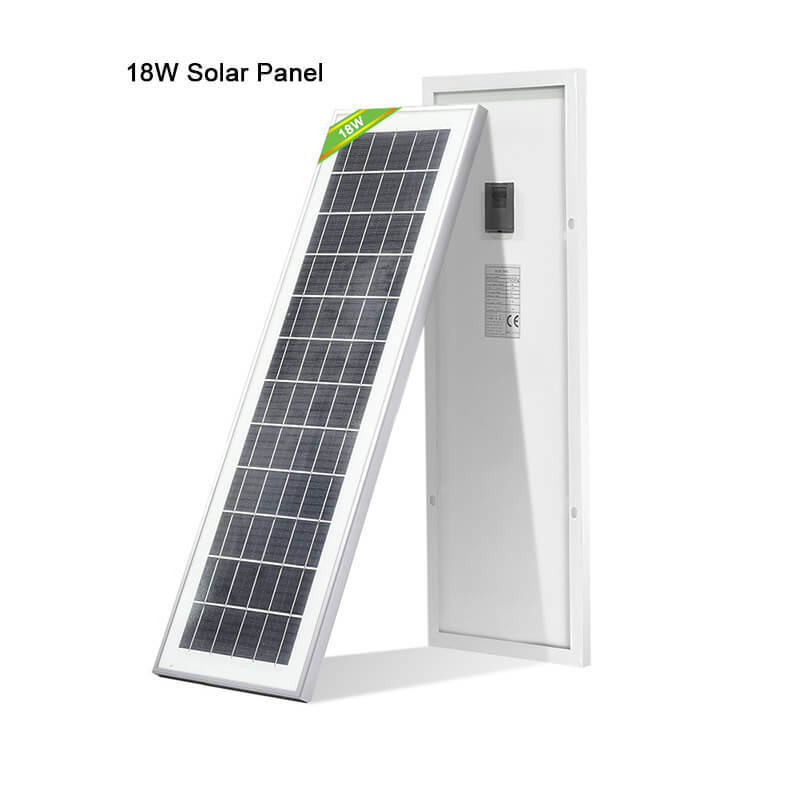
Understanding Flexible Solar Panels
Flexible solar panels, unlike traditional crystalline silicon panels, are made using thin-film photovoltaic cells. This design allows them to bend, conform to curved surfaces, and reduce the weight burden on rooftops, vehicles, or portable energy devices. For solar panel manufacturers, this flexibility offers opportunities for innovative applications—from marine vessels to mobile emergency shelters.
From an engineering perspective, flexible panels are composed of layers including a protective polymer layer, photovoltaic thin films, and backing materials that enhance durability. Supa, as one of the leading solar panel suppliers, emphasizes advanced encapsulation and high-quality materials in its OEM solar panel production, aiming to balance flexibility with resilience.
Performance in High Temperatures
High temperatures are a critical factor affecting solar panel efficiency. Most photovoltaic technologies experience a decrease in output as heat rises. Flexible solar panels, due to their thin-film construction, often perform slightly better in heat compared to traditional silicon panels. Studies indicate that temperature coefficients of flexible panels can be lower, allowing them to sustain higher energy output under intense sunlight.
Key considerations for suppliers and OEM solar panel buyers include:
Material stability under prolonged UV exposure.
Heat dissipation through the polymer and backing layers.
Manufacturer testing data for continuous operation at temperatures exceeding 85°C.
Supa’s flexible solar panels undergo rigorous thermal cycling tests to ensure that wholesale solar panels distributed to end-users maintain performance even in desert-like environments.
Durability Against Extreme Cold
Extreme cold presents a different set of challenges. Flexible solar panels must resist cracking, delamination, and reduced conductivity caused by freezing temperatures. Unlike rigid panels, which are prone to brittle fractures, high-quality flexible panels can absorb thermal expansion and contraction more effectively.
For solar panel manufacturers, designing panels that function efficiently in sub-zero temperatures involves:
Using low-temperature resistant polymers.
Ensuring the adhesive layers retain flexibility.
Conducting freeze-thaw cycling tests to simulate real-world winter conditions.
Supa’s panels are engineered to withstand temperatures as low as -40°C, making them suitable for northern climates or high-altitude installations.
Resistance to Mechanical Stress
One of the most notable advantages of flexible solar panels is their resilience against mechanical stress. Unlike conventional glass-backed panels, flexible designs can endure impacts, vibrations, and minor bending without significant damage. This makes them particularly suitable for:
Portable energy kits.
Recreational vehicles (RVs) and marine applications.
Temporary disaster-relief installations.
For OEM solar panel orders, ensuring proper mechanical stress tolerance is a critical quality metric. Solar panel suppliers like Supa integrate reinforced backing and laminated surfaces to maintain both flexibility and structural integrity under heavy winds, hail, or accidental impact.
Water and Weatherproofing Performance
Extreme weather often involves not just temperature fluctuations but also exposure to rain, snow, or high humidity. Flexible solar panels must be water-resistant and able to maintain performance under prolonged moisture exposure.
Key design features that solar panel manufacturers incorporate include:
IP65 or higher ratings for waterproofing.
Corrosion-resistant metal contacts.
UV-stabilized encapsulation to prevent degradation.
Supa’s flexible solar panels, widely distributed through wholesale solar panels networks, undergo simulated monsoon testing to ensure their reliability in high rainfall regions.
Long-Term Reliability and Maintenance
Long-term performance in extreme climates depends on both material quality and installation practices. Flexible solar panels typically require minimal maintenance, but careful attention must be paid to:
Secure mounting systems to prevent wind damage.
Proper sealing against water ingress at edges.
Periodic cleaning to maintain energy efficiency in dusty or snowy environments.
Solar panel suppliers providing OEM solar panel solutions, like Supa, often provide installation guidelines and maintenance support, ensuring longevity even under harsh weather.
Market Outlook and Applications
The growing interest in renewable energy, coupled with the unique advantages of flexible solar panels, has created new opportunities for solar panel manufacturers. Supa has expanded its production lines to serve sectors such as:
Off-grid power solutions in remote regions.
Portable solar chargers for outdoor and emergency use.
Integrated solar roofing and building materials.
Wholesale solar panels and OEM orders are increasingly focused on extreme-weather-ready products, demonstrating that flexibility does not compromise reliability.
Conclusion:
Flexible solar panels, when manufactured with advanced materials and rigorous quality standards, perform remarkably well in extreme weather conditions. From heat and cold resilience to mechanical stress tolerance and waterproofing, these panels offer a robust alternative to traditional solar technologies. Supa’s commitment to quality as a leading OEM solar panel brand ensures that solar panel suppliers and end-users can rely on durable, high-performance solutions.
For businesses or distributors seeking wholesale solar panels that combine versatility with resilience, flexible solar panels are a compelling choice, paving the way for innovative installations in challenging environments.