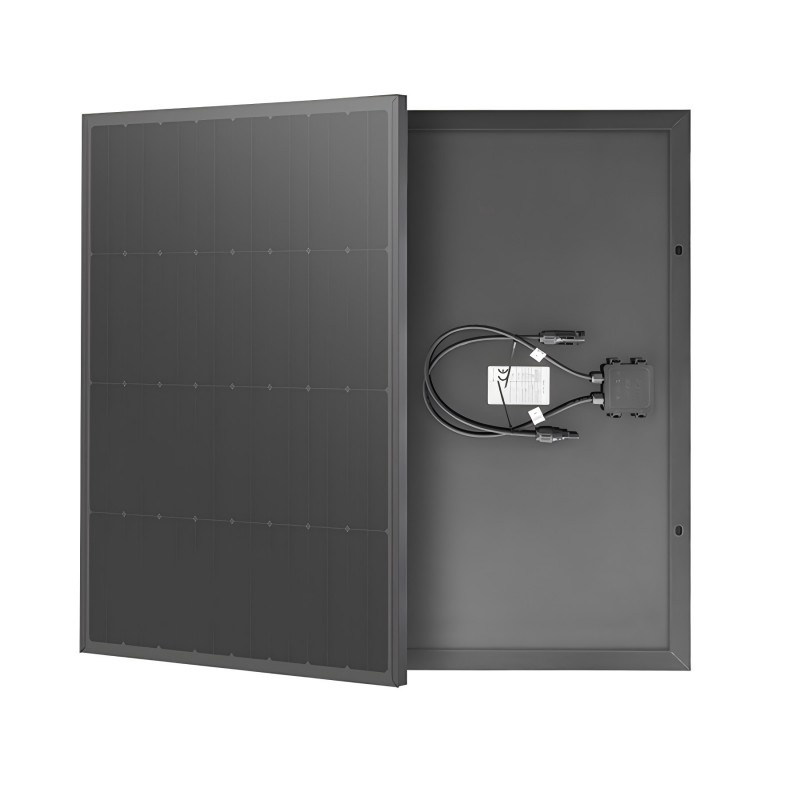
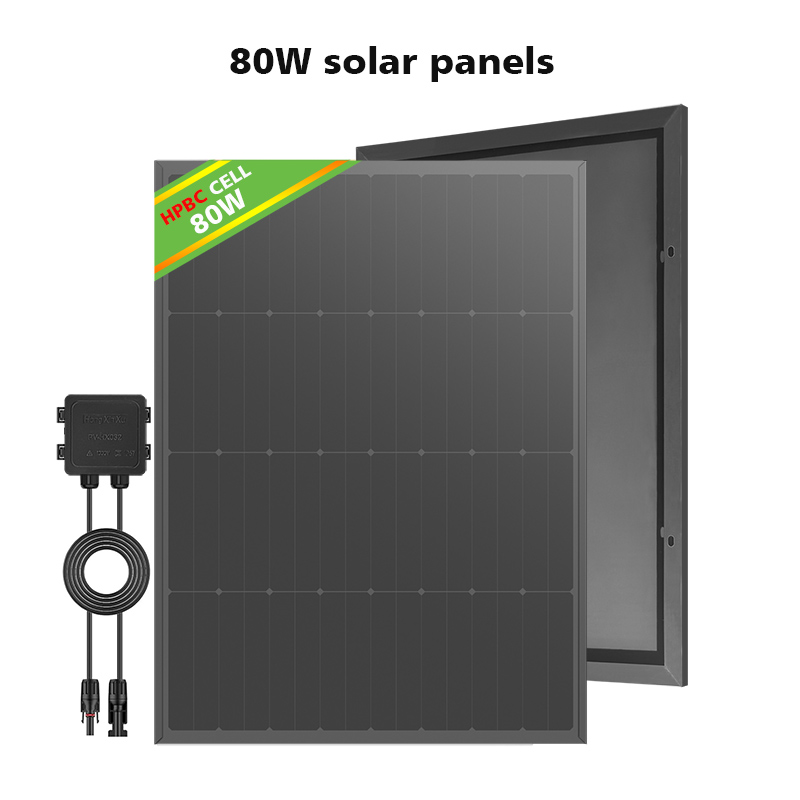
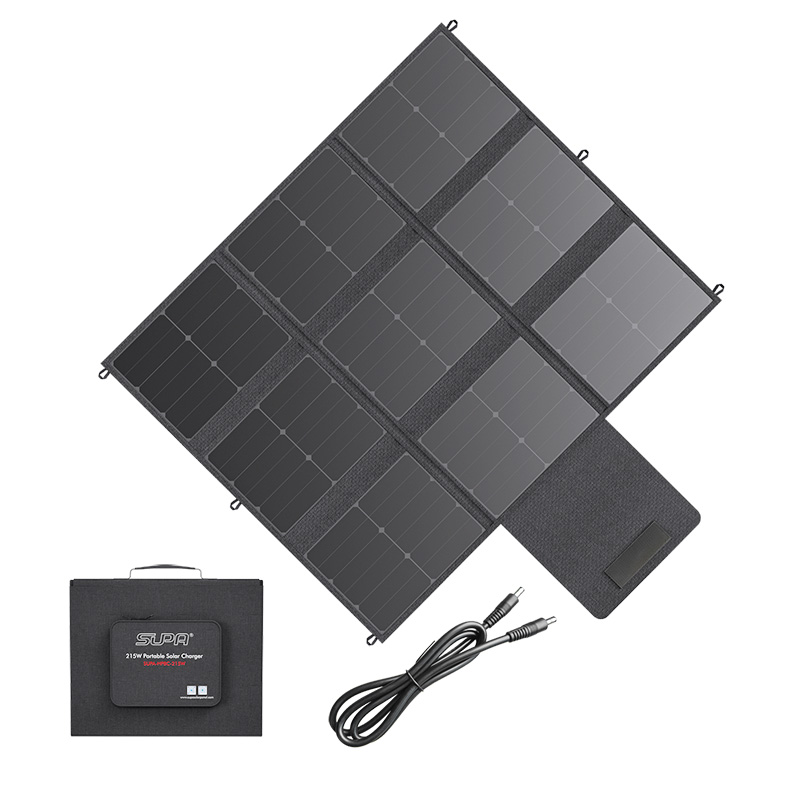
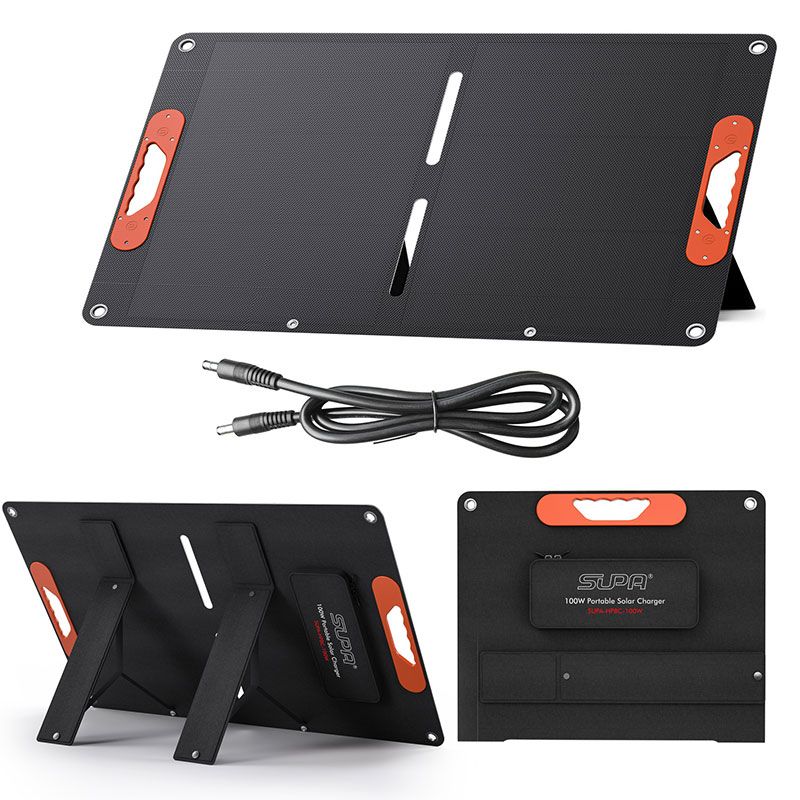
Camping has become increasingly popular as people look for ways to enjoy nature while still staying connected to essential devices. As a result, portable energy solutions are in high demand. Among them, solar panels for camping have become one of the most practical and eco-friendly power options for outdoor users. They allow campers to generate electricity directly from sunlight, ensuring reliable energy in remote locations.
Basic Working Principle of Solar Panels for Camping
To begin with, it is important to understand how these systems work. Solar panels for camping use photovoltaic cells that convert sunlight into direct current (DC) electricity. When sunlight hits the surface of the panels, energy is absorbed and transformed into usable power.
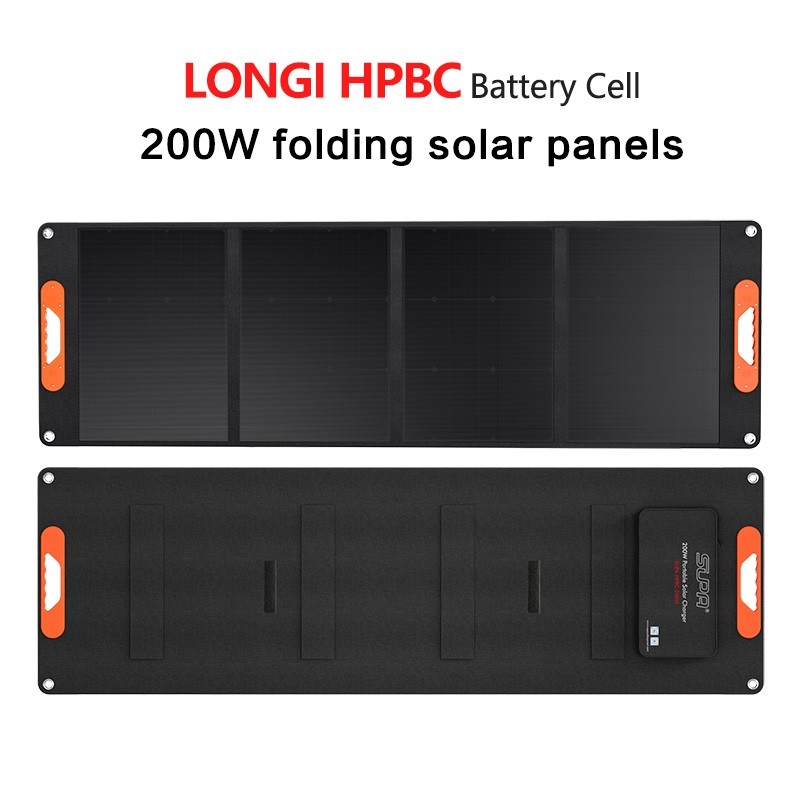
Then, this electricity is either stored in a portable battery or used immediately to charge devices such as phones, lights, and GPS systems. Therefore, campers can access stable energy without relying on traditional power sources. In addition, modern camping solar systems are designed to be lightweight and foldable, making them easy to transport and set up.
Energy Collection in Outdoor Environments
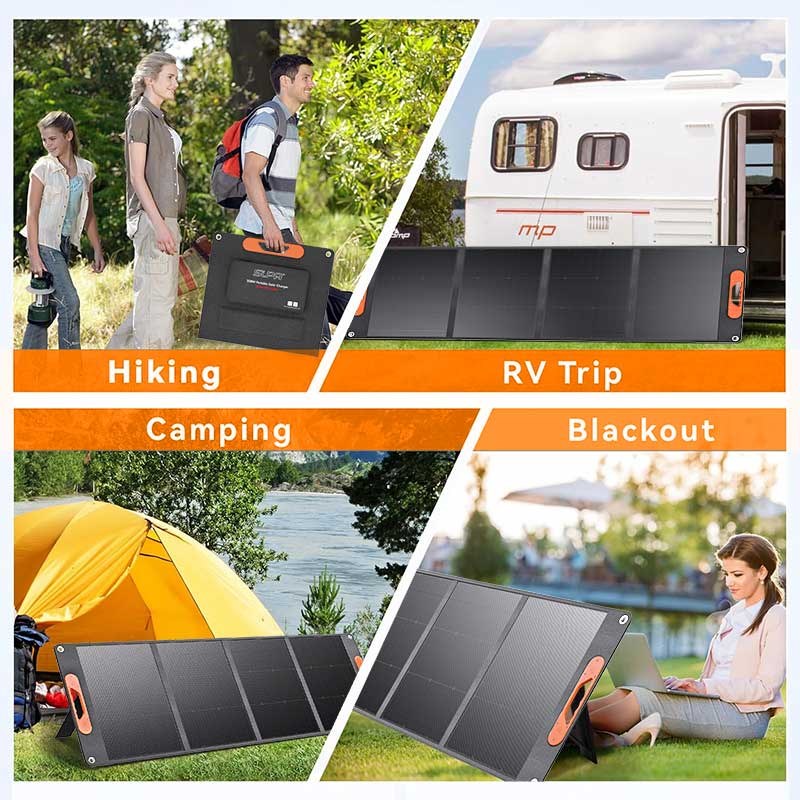
In outdoor environments, efficiency plays a key role. First of all, solar panels need to be placed under direct sunlight for optimal performance. Moreover, the angle and positioning of the panel can significantly impact energy output.
As the sun moves throughout the day, users may adjust the direction of the panel to maintain maximum exposure. Consequently, solar panels for camping can continuously collect energy as long as sunlight is available. Even in partially cloudy conditions, they are still able to generate power, although at a reduced rate.
Power Storage and Device Charging
After energy is collected, it must be managed effectively. Typically, a charge controller regulates the electricity flow to prevent overcharging or damage. Meanwhile, a portable power station or battery stores the energy for later use.
Furthermore, campers can connect multiple devices simultaneously depending on system capacity. For example, smartphones, camping lights, small fans, and cameras can all be powered efficiently. In this way, solar panels for camping provide a stable and flexible energy solution for various outdoor needs.
Advantages of Using Solar Panels Outdoors
There are several important advantages to using solar power while camping. First, it is a clean and renewable energy source, which reduces reliance on fuel generators. In addition, it operates silently, making it ideal for natural environments where noise should be minimized.
Moreover, portability is another key benefit. Most modern systems are compact and easy to carry, allowing users to travel light. Companies like SUPA focus on designing durable and efficient solar solutions that support long outdoor use and different environmental conditions.
Performance Factors in Real Use
However, performance can vary depending on several factors. For instance, weather conditions, sunlight intensity, and panel quality all affect energy generation. Therefore, choosing high-quality equipment is essential for consistent performance.
In addition, proper maintenance also plays an important role. Keeping the surface clean and free from dust ensures better sunlight absorption. As a result, solar panels for camping can maintain stable efficiency over long-term use.
Conclusion
In summary, solar energy has transformed the way people experience outdoor life. Through photovoltaic technology, solar panels for camping provide a reliable and sustainable power source in natural environments. Moreover, their portability, efficiency, and ease of use make them an ideal choice for modern campers.
As outdoor lifestyles continue to evolve, demand for portable energy solutions will keep growing. With advanced designs and continuous innovation from brands like SUPA, camping solar systems will become even more efficient, durable, and user-friendly in the future.