Company News
When people research solar energy, they often focus on installation steps, panel types, and basic system sizing. However, these guides usually miss deeper technical and environmental factors that directly affect real performance. In reality, achieving a high solar panel system for efficiency depends on far more than simply placing panels on a roof. Instead, long-term energy output is shaped by conditions, system design, and hidden inefficiencies that are rarely discussed in beginner-level content. SUPA, as a professional energy solution provider, emphasizes that understanding these hidden elements is essential for maximizing return on investment.
Temperature and Real-World Performance Gaps
To begin with, one of the most overlooked factors is temperature impact. Although solar panels rely on sunlight, excessive heat can actually reduce output efficiency. For instance, many users assume that hotter climates automatically generate more energy, but this is not always true. Therefore, a well-optimized solar panel system for efficiency must consider thermal management, ventilation spacing, and material heat resistance. Moreover, real-world performance often differs from laboratory ratings. Manufacturers test panels under ideal conditions, but outdoor environments introduce variability such as dust, humidity, and uneven sunlight exposure. As a result, system performance may fall below expectations if these conditions are ignored during design.
Wiring, Inverter Selection, and Hidden Losses
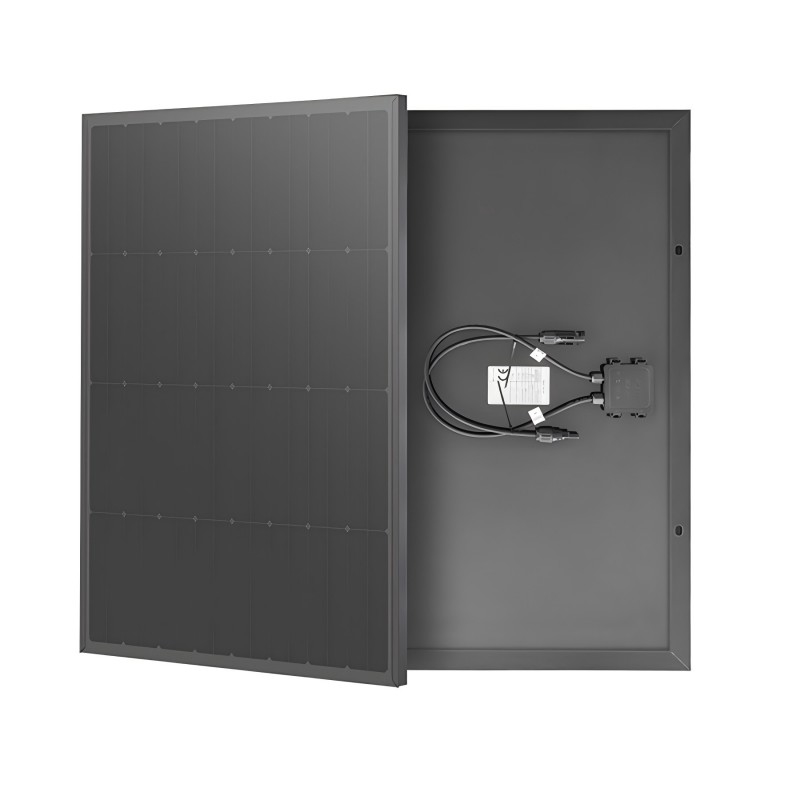
In addition, electrical components play a critical role in system performance. Poor wiring design can lead to energy loss before electricity even reaches the inverter. Similarly, using a low-quality inverter may reduce conversion efficiency, even if the panels themselves are high-performance. Consequently, a reliable solar panel system for efficiency must integrate optimized wiring layouts and high-efficiency inverters. SUPA often highlights that system balance is just as important as panel quality, especially in commercial installations where energy loss scales significantly over time.
Environmental and Shading Factors
Furthermore, environmental conditions such as shading, dust accumulation, and seasonal changes can significantly reduce output. Even partial shading on a single panel can impact the entire string performance in traditional systems. Thus, site evaluation becomes a crucial step before installation. Proper positioning, tilt angle adjustment, and periodic cleaning schedules are necessary to maintain stable efficiency levels. These practical steps are often mentioned briefly in installation guides but rarely explained in depth.
Maintenance and Long-Term Stability
Over time, system degradation is inevitable, but improper maintenance can accelerate efficiency loss. For example, loose connectors, unclean surfaces, or aging components can gradually reduce energy output without immediate detection. Therefore, a sustainable solar panel system for efficiency requires regular inspection and preventive maintenance strategies. SUPA recommends scheduled system audits to ensure long-term stability and performance consistency.
Conclusion: Efficiency Is a System, Not a Component
In conclusion, true solar performance is not defined by panels alone but by the entire system design, environment, and maintenance strategy. While many installation guides focus on basic setup, they often overlook the deeper technical realities that determine long-term output. Ultimately, improving a solar panel system for efficiency requires a holistic approach that combines engineering precision, environmental awareness, and ongoing optimization. With the right design principles and professional support from companies like SUPA, users can significantly improve energy yield and system reliability over time.