As solar energy systems continue to develop, improving power generation efficiency has become a major concern for homeowners, installers, and commercial energy users. Traditional solar inverter systems often connect multiple panels together, which means the performance of one affected panel can influence the overall output. Factors such as shading, dust, different roof angles, and temperature changes may reduce energy production. Therefore, advanced inverter technology that can optimize each solar module independently has become increasingly important.
An 800w micro inverter for solar provides an efficient solution by converting the DC electricity generated by each solar panel into usable AC power while maximizing energy harvesting through module-level MPPT technology. Unlike conventional centralized inverter systems, micro inverters allow every panel to operate independently, helping improve system efficiency and stability. SUPA provides reliable solar power solutions designed to support residential and commercial renewable energy applications.
How Module-Level MPPT Improves Solar Panel Performance
Maximum Power Point Tracking (MPPT) is an important technology used to improve solar energy conversion efficiency. In traditional systems, a single inverter manages multiple solar panels together, which may limit energy production when some panels operate under different conditions. However, module-level MPPT allows each solar panel to continuously adjust its operating point based on real-time sunlight conditions. As a result, every module can produce energy at its optimal level, even when individual panels experience partial shading or different installation angles.
Furthermore, this independent optimization improves the overall reliability of solar systems. For rooftop installations with complex layouts, micro inverter technology provides greater flexibility because each panel can achieve better performance without being affected by neighboring modules.
Efficient Power Conversion for Flexible Solar Applications
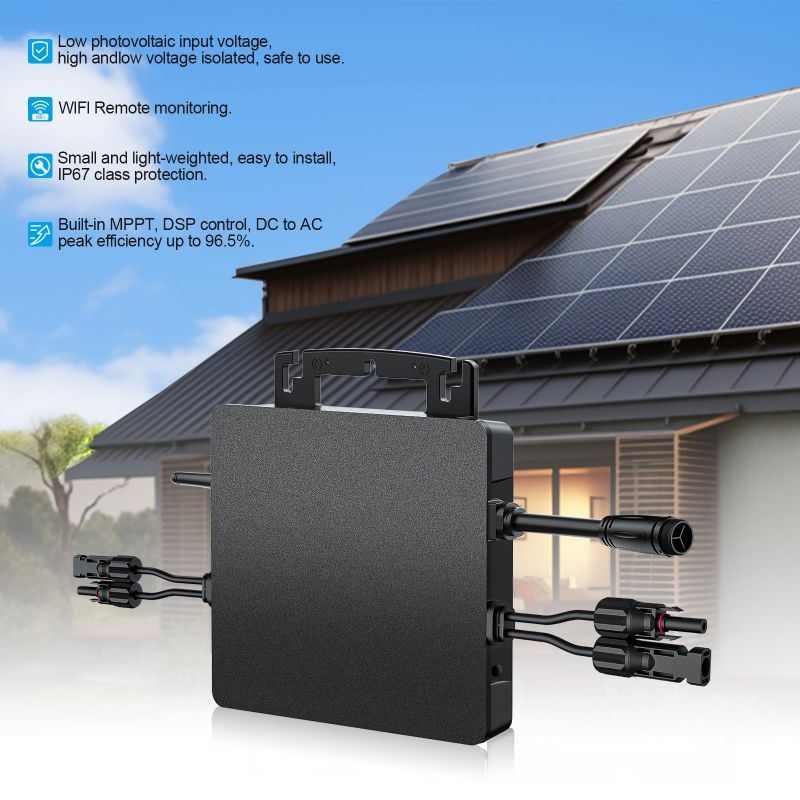
The primary function of a solar micro inverter is to convert direct current generated by photovoltaic panels into alternating current that can be used by electrical systems. Compared with traditional inverter solutions, micro inverters are installed closer to individual solar modules, reducing energy loss during transmission.
An 800w micro inverter for solar is designed for small to medium-sized solar systems that require efficient energy conversion and stable operation. It provides an effective option for residential rooftops, commercial buildings, and distributed solar projects where performance optimization is important. Additionally, micro inverter systems offer easier expansion possibilities. When energy requirements increase, additional solar panels can be integrated more conveniently without requiring major changes to the existing inverter structure.
Reliable Design for Long-Term Solar Energy Production
Solar equipment needs to maintain stable performance throughout different environmental conditions. Therefore, reliability, durability, and efficient thermal management are essential factors when selecting inverter products. A high-quality micro inverter helps ensure consistent power conversion while supporting long-term system operation. Moreover, advanced monitoring and control functions allow users to better understand energy production and identify potential performance issues.
SUPA focuses on developing dependable solar solutions that support efficient renewable energy systems. Through professional manufacturing processes and quality-focused designs, the company helps customers achieve stable energy performance for various applications.
Improving Energy Efficiency in Residential and Commercial Projects
Solar installation environments are often different from each other. Some buildings may have limited rooftop space, while others may experience uneven sunlight exposure throughout the day. Therefore, flexible energy solutions are needed to maximize available solar resources.
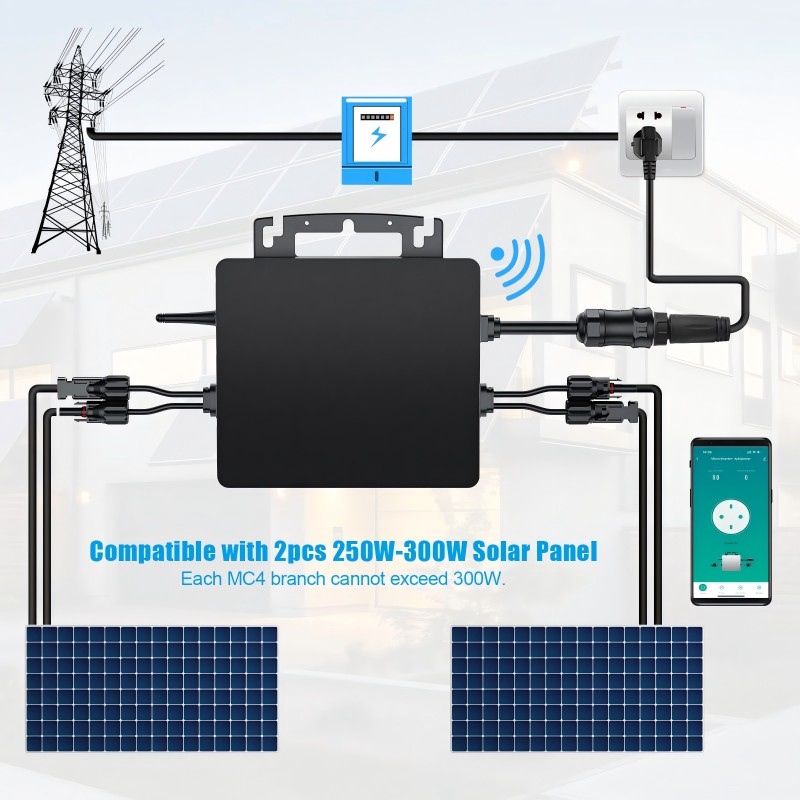
Micro inverter technology provides a practical approach by allowing each panel to work independently. This design helps reduce the impact of environmental changes and improves energy utilization. For residential users, an 800w micro inverter for solar can help increase electricity generation from rooftop solar systems. Meanwhile, commercial projects can benefit from improved system monitoring, easier maintenance, and flexible installation options.
Supporting Future Renewable Energy Development
As the demand for clean energy continues to grow, solar technologies are becoming more focused on efficiency and intelligent management. Micro inverters represent an important development direction because they improve control at the individual panel level.
Moreover, maximizing energy output from existing solar installations helps users improve return on investment and achieve better energy independence. With efficient conversion technology and flexible system design, micro inverters can support the development of smarter solar power solutions. SUPA continues to provide solar products that meet the needs of different energy applications. By combining reliable performance with advanced technology, the company helps customers build more efficient and sustainable solar systems.
Conclusion
In conclusion, improving solar panel performance requires advanced technologies that can manage energy production more effectively. Module-level MPPT technology enables each panel to operate independently, reducing energy losses caused by environmental differences.
The 800w micro inverter for solar combines efficient power conversion, flexible installation, and optimized energy harvesting, making it a valuable solution for modern residential and commercial solar systems. Through innovative solar solutions, SUPA supports customers in achieving higher efficiency and more reliable renewable energy performance.