Company News
Solar energy is a practical power source for outdoor activities, portable equipment, and off-grid applications. However, sunlight conditions can change throughout the day, making cell efficiency an important consideration when choosing a folding solar panel. An HPBC folding solar panel uses high-efficiency monocrystalline silicon cells designed to convert sunlight into electrical energy effectively. By combining advanced cell technology with a foldable structure, this type of panel offers a convenient way to access solar power while traveling, camping, or spending time outdoors.
Understanding HPBC Solar Cell Technology
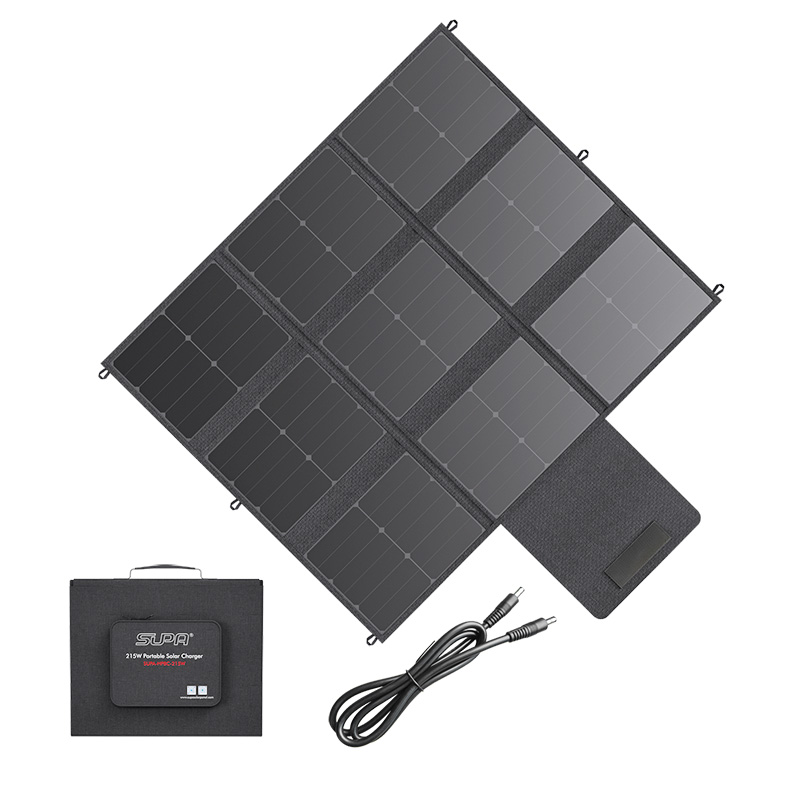
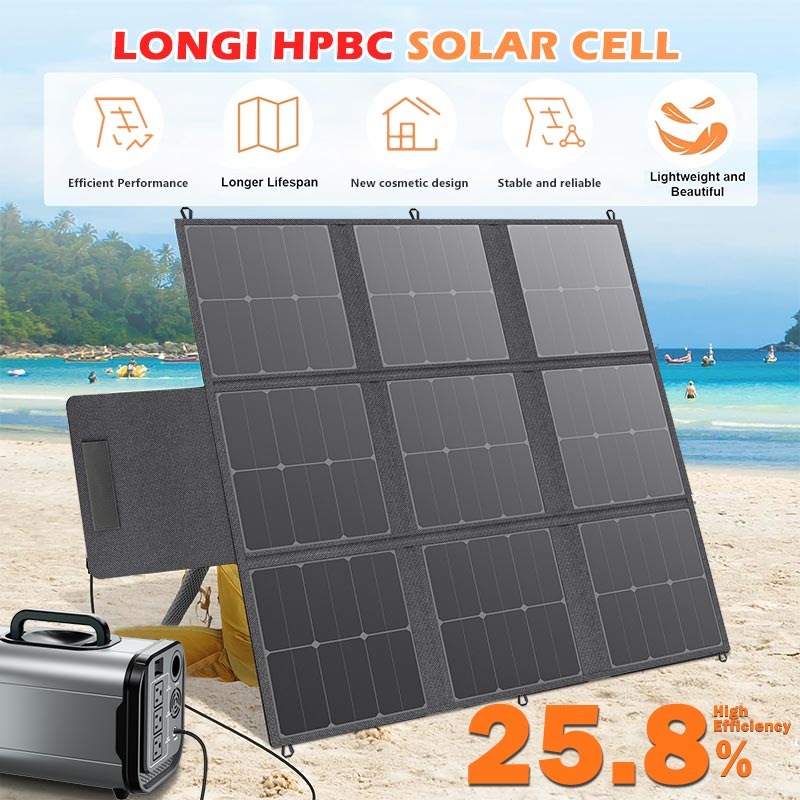
HPBC solar cells are designed to improve the use of available sunlight through an advanced cell structure. In a folding panel, efficient photoelectric conversion can help make better use of the light that reaches the cells. The 215W folding solar panel from SUPA uses high-efficiency HPBC monocrystalline silicon cells with a stated conversion rate above 24%. Therefore, the cell technology is an important feature for users who want a portable power solution without compromising on energy conversion performance.
How Solar Panels Respond to Low-Light Conditions
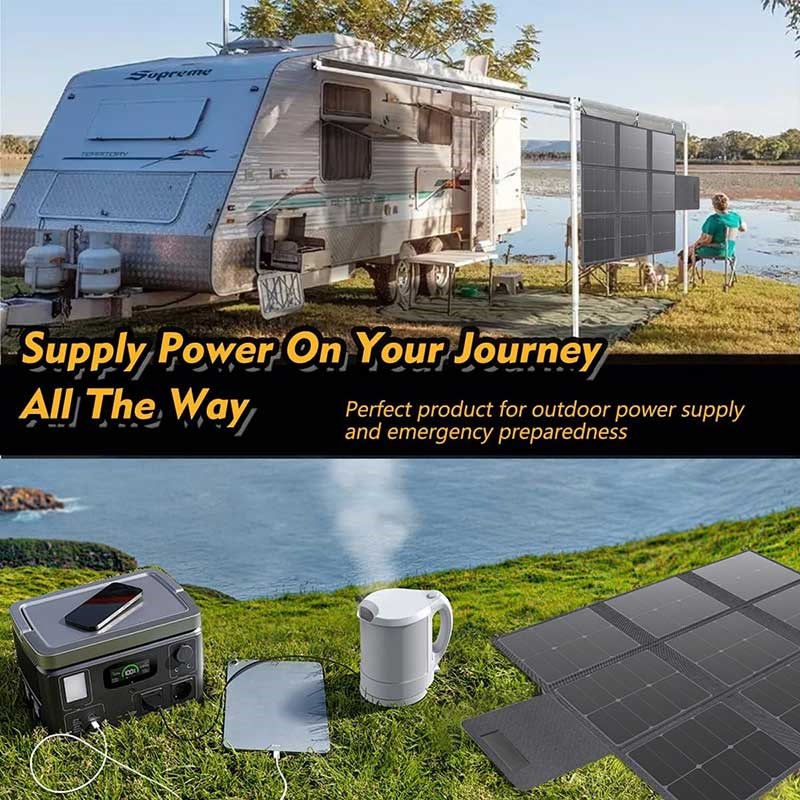
Solar panels generate electricity from available sunlight, so their output changes with the intensity of the light reaching the cells. During cloudy weather, early mornings, or late afternoons, lower irradiance generally reduces the power a panel can produce. Although high-efficiency cells can support effective energy conversion, they cannot maintain their rated output when sunlight is limited. For this reason, users should understand that low-light performance depends on actual lighting conditions, panel orientation, shading, and the electrical characteristics of the connected equipment.
When choosing a portable solar panel, it is also important to distinguish cell efficiency from total energy production. A high conversion rate describes how effectively a cell converts received solar energy, but it does not guarantee a particular power output in dim conditions. In addition, partial shading can affect panel performance, so placing the panel where it receives the clearest available sunlight remains essential. By adjusting the panel angle as the sun moves and avoiding shadows where possible, users can make better use of the available daylight.
Why a 215W Folding Solar Panel Suits Outdoor Use
Rated at 215W, this folding solar panel is designed for users who need a portable source of solar electricity. Its electrical specifications include a maximum power voltage of 21.6V and a maximum power current of 9.95A under the applicable test conditions. These values help users evaluate the panel when planning a compatible power setup. Nevertheless, actual output will vary with sunlight intensity, temperature, installation angle, and system compatibility.
The folding design also supports easier handling and transportation compared with a permanently installed panel. Its construction uses a cloth-seam folding process, with a layered structure that includes frosted PET, EVA, HPBC cells, a bottom plate, and a tarp. This construction combines the solar cell assembly with a flexible fabric-based format for portable use. As a result, the panel can be considered for outdoor power setups where portability and convenient storage are important.
Choosing a Foldable Solar Panel for Camping
For camping trips, a foldable solar panel can provide an additional way to generate electricity during daylight hours. Solar panels for camping may be used with compatible portable power stations or other supported equipment, depending on the system's input requirements. Before connecting a panel, users should check the device's acceptable voltage, current, connector type, and charging specifications. This preparation helps avoid compatibility problems and supports a more reliable outdoor power setup.
Some users specifically look for a foldable solar panel in the 200W class because it offers a balance between rated power and portability. A 215W panel falls within a similar general power category, although buyers should compare the actual electrical ratings and physical dimensions rather than relying on category labels alone. In addition, expected energy needs should guide the selection process. Devices with higher power consumption or longer operating times may require a larger solar array, a suitable battery, or additional charging options.
Key Factors for Better Solar Performance
Even with high-efficiency solar cells, several practical factors influence the electricity a panel generates. Positioning the panel toward direct sunlight, keeping the active surface clear, and limiting unnecessary shading can improve the amount of light available for conversion. Furthermore, temperature and weather conditions affect performance, so the rated 215W output should be treated as a laboratory reference rather than a constant output in everyday environments. Users should also follow the product documentation for setup, connection, and safe operation.
When comparing a high-efficiency solar panel with other portable options, consider both conversion efficiency and the needs of your intended application. Panel power, operating voltage, portability, build construction, and compatibility all contribute to the overall suitability of a product. Low-light conditions should also be evaluated realistically, since no panel can generate its full rated power without sufficient solar irradiance.
A Portable Solar Solution for Everyday Adventures
The 215W HPBC folding solar panel combines high-efficiency monocrystalline silicon cells with a foldable, cloth-seam construction for portable solar applications. Its stated cell conversion rate above 24% makes efficiency a key product feature, while the 215W rating provides a reference point for planning compatible power systems. For camping and other outdoor activities, careful placement and realistic expectations about changing sunlight can help users make better use of available solar energy. SUPA offers this folding solar panel option for users seeking a portable approach to solar power, with product selection based on their specific power requirements and operating conditions.